
Best Tips For Maximizing Your Vehicle Accident Injury Claim
Vehicle accidents are a prevalent and significant public health concern, affecting millions of individuals around the globe each year. These incidents can result in a wide range of injuries, from minor to life-threatening, drastically altering the lives of victims and their families. Understanding the types of injuries associated with vehicle accidents, their short- and long-term effects, and the legal implications can provide crucial insights for both victims and the society at large. In this article, we delve into the common injuries sustained in vehicle accidents, the importance of immediate medical attention, and the steps to take post-accident, along with the prevailing statistics that underline the gravity of this issue.
Injuries from vehicle accidents can vary greatly depending on factors such as the type of collision, the speed at which it occurs, and the safety measures in place. From whiplash and fractures to traumatic brain injuries, the consequences can be far-reaching and complex. Moreover, navigating the aftermath—which often involves medical treatments, insurance claims, and legal proceedings—can be overwhelming for those involved. By shedding light on these critical aspects, this article aims to equip readers with the knowledge necessary to understand the implications of vehicle accident injuries and to advocate for themselves or their loved ones in the wake of such distressing events.
Common Types of Injuries
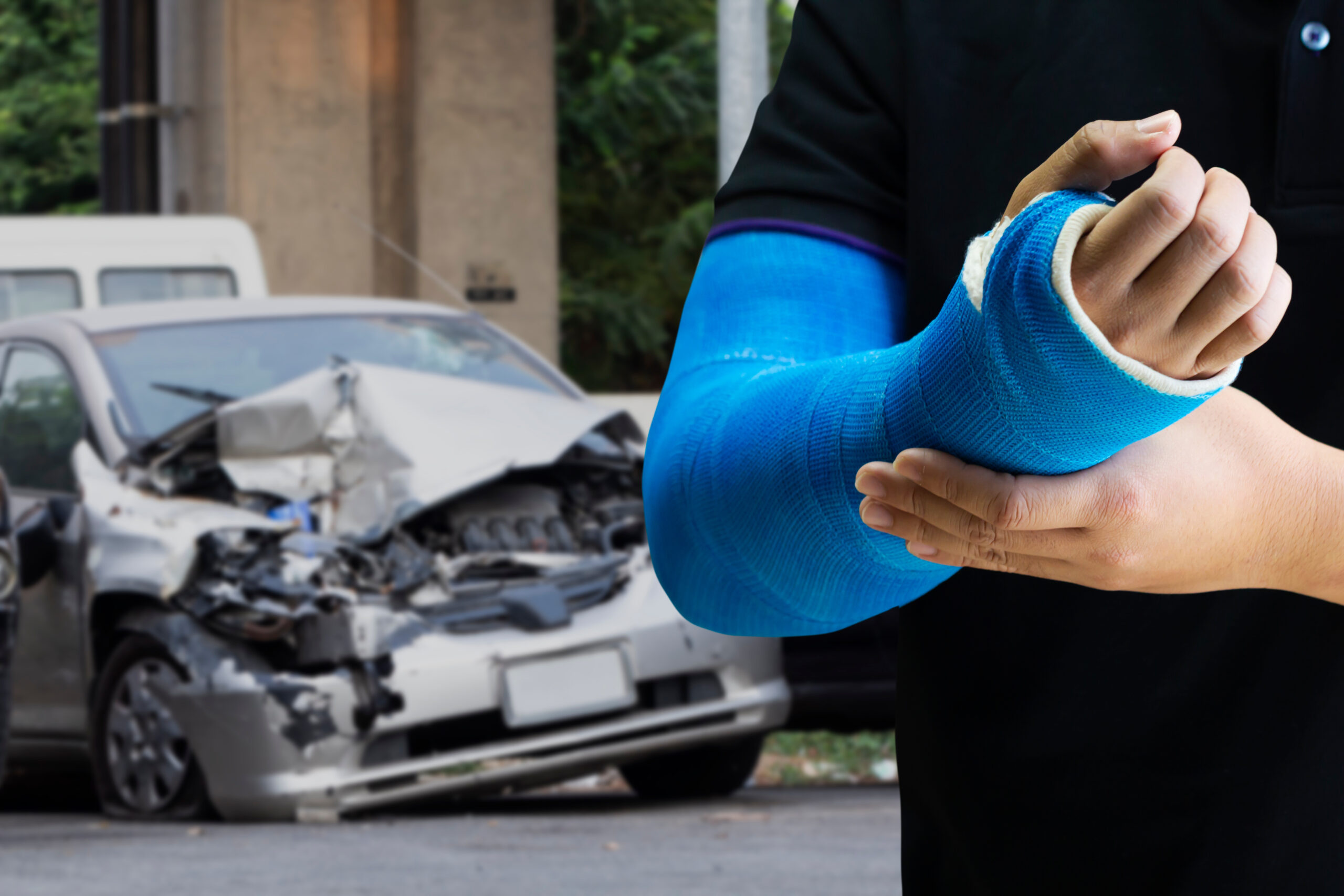
In vehicle accidents, injuries can range from soft tissue damage to severe traumatic injuries. Whiplash is a commonly reported injury resulting from sudden acceleration or deceleration, often impacting the neck and back. Fractures to the arms, legs, or ribs can occur from the force of collision, while traumatic brain injuries may affect cognitive functions and quality of life. Each type of injury poses its own challenges, necessitating immediate medical assessment and care to prevent further complications. Understanding these injuries helps victims seek appropriate treatment and document their experiences, which can be crucial for any potential legal claims arising from the accident.
After the Accident: Legal and Health Considerations
After a vehicle accident, it is essential for victims to understand the steps they should take, including seeking medical attention and documenting their injuries for insurance and legal purposes. Ensuring that you are aware of your rights may assist in navigating the often-complex legal landscape surrounding vehicle accidents. For commercial truck drivers, proactive safety measures can significantly reduce the likelihood of involvement in such incidents; resources like Vehicle Accident Injury on truck driver safety provide valuable insights. Additionally, maintaining open communication with healthcare providers and legal representatives can facilitate a smoother recovery process and better outcomes for all parties involved.
In conclusion, the aftermath of a vehicle accident can be daunting, marked by physical, emotional, and financial challenges that require careful navigation. Victims must prioritize their health by seeking prompt medical attention and following through with recommended treatments to address both visible and hidden injuries. Equally important is the need to document every aspect of the accident—from injuries to interactions with insurance companies—ensuring that rights are protected during legal proceedings. By equipping themselves with knowledge about their injuries and the legal landscape, individuals can advocate for fair compensation and support during their recovery journey. Ultimately, fostering awareness and preparedness not only empowers accident victims but also promotes a broader understanding of the critical importance of road safety for everyone.