

Navigating the Flood: Expert Insights on Water Damage Restoration
Water, a fundamental element for life, can also bring about destruction on a massive scale when it infiltrates our living spaces. Water damage is an ever-present threat that can wreak havoc on homes and properties. Facing water damage in your home? Our expert technicians are ready to tackle all your water damage repairs delivering top-notch solutions to restore and safeguard your space. In this in-depth guide, we bring you expert insights on water damage restoration, shedding light on the restoration process, prevention techniques, and the critical role of professionals in dealing with this perilous aftermath.
Understanding Water Damage
Water damage can manifest in various forms, with diverse origins. It’s crucial to understand these categories to respond effectively:
1. Clean Water
This type of water originates from a clean source, like a broken water supply line or faucet. While initially clean, if left untreated, it can transform into gray water due to exposure to contaminants.
2. Gray Water
Gray water is slightly contaminated and arises from appliances like washing machines, showers, or sinks. It may contain chemicals or pollutants, necessitating caution during handling.
3. Black Water
Black water is highly contaminated and poses significant health risks. It comes from sources like sewage backups, flooding from rivers or streams, and any water that has been stagnant and potentially mixed with chemicals or pathogens.
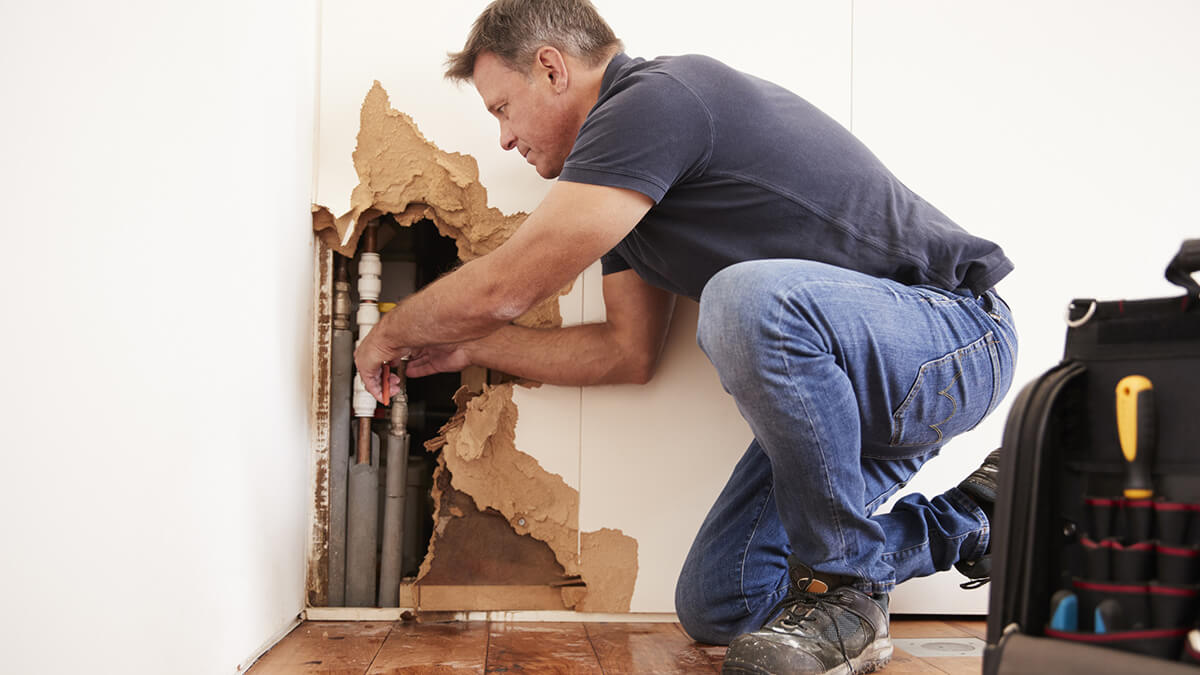
The Water Damage Restoration Process
Restoration is a meticulous process involving several key steps to mitigate damage and restore the affected area:
1. Assessment and Inspection
Professionals assess the extent of the water damage, identifying affected areas and determining the class and category of water damage. This information guides the restoration plan.
2. Water Extraction
Efficient removal of water is crucial. Powerful pumps and vacuums are used to extract standing water from the premises. The sooner this is done, the lesser the damage.
3. Drying and Dehumidification
Thorough drying and dehumidifying follow water extraction. Industrial-grade air movers and dehumidifiers are employed to remove moisture from walls, floors, and air, preventing mold growth and further damage.
4. Cleaning and Sanitizing
After drying, the affected area is cleaned and sanitized. This step includes disinfecting surfaces, removing odors, and ensuring a safe and habitable environment.
5. Restoration and Repairs
The final step involves restoring the area to its pre-damaged condition. This can range from minor repairs like painting to major reconstruction of damaged areas.
Preventing Water Damage
Prevention is undeniably the best approach when dealing with water damage. Here are effective preventive measures:
1. Regular Maintenance
Frequent checks on plumbing, roofing, and appliances can help identify potential issues early on. Timely repairs can prevent water damage from escalating.
2. Proper Drainage
Ensuring efficient drainage systems around your property directs water away from your home, reducing the risk of flooding and foundation damage.
3. Roof Maintenance
Regularly inspecting and maintaining your roof can prevent leaks, a common source of water damage. Replace damaged shingles and fix any issues promptly.
4. Landscaping Considerations
Landscaping with proper grading away from the house and strategic plantings can prevent water accumulation around the foundation.
The Expert’s Touch: Hiring a Professional
While DIY approaches can be tempting, water damage restoration is best left to the professionals. Here’s why:
1. Expertise and Experience
Professional restoration teams have the knowledge, training, and experience to handle water damage effectively. They understand the intricacies involved and use advanced equipment for efficient restoration.
2. Comprehensive Restoration
Professionals offer a complete restoration solution, from water extraction to repairs. This ensures a thorough restoration process, leaving your property safe and habitable.
3. Mold Prevention
Professionals are adept at preventing mold growth, a common aftermath of water damage. Their quick and effective actions minimize the risk of mold infestation.
Conclusion
Water damage is a formidable adversary, capable of causing immense harm to homes and properties. Understanding the restoration process, focusing on prevention, and relying on expert restoration services are pivotal in overcoming this peril. Act promptly, seek professional help, and regain the sanctity of your living space after the deluge.